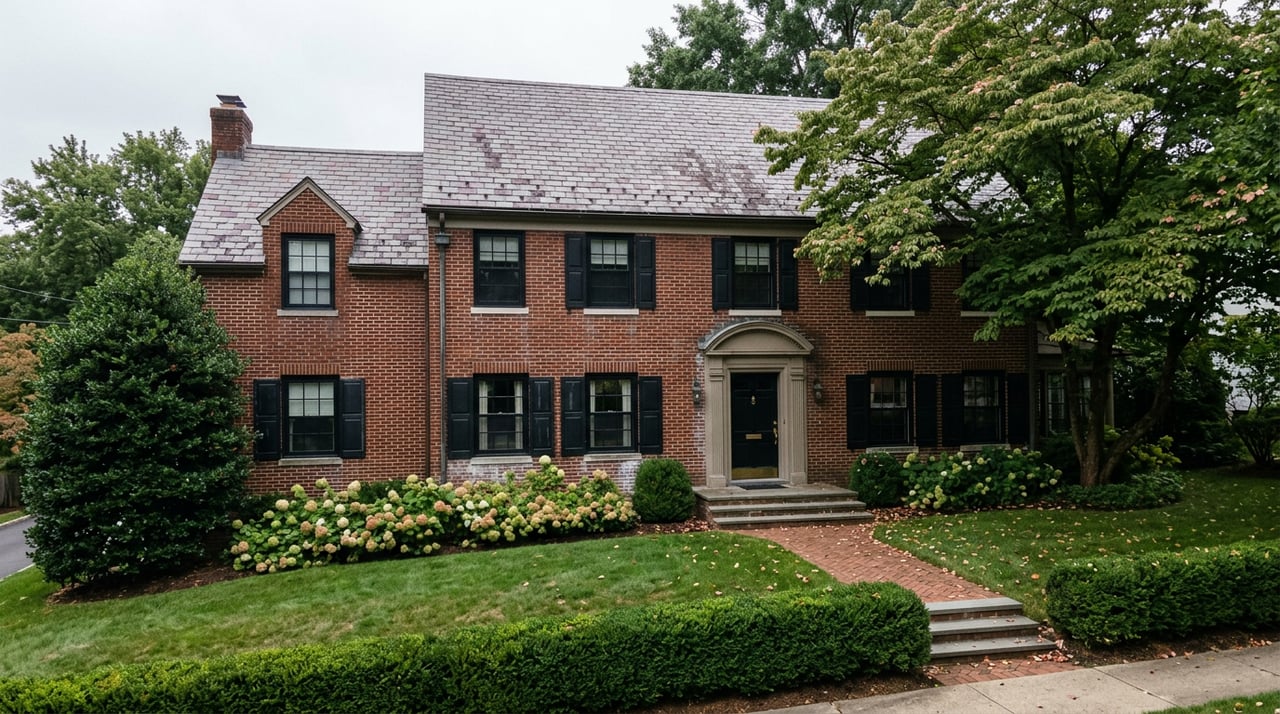
"I've seen deals just get completely railroaded by the inability to comply with these rules." That's Kevin Bayly, a board member of the DC Land Title Association, describing what happens when a seller assumes their property is exempt from the Tenant Opportunity to Purchase Act and finds out at the settlement table that the file doesn't back it up.
That scenario is more common right now than most DC property owners realize, because the District just rewrote TOPA and gave landlords a compliance deadline that came and went quietly in the spring. If you own rental property here and haven't touched your TOPA paperwork since the law changed, this is worth ten minutes before you list, buy, or refinance.
The Law Everyone Says Disappeared
The Rebalancing Expectations for Neighbors, Tenants, and Landlords Act, known as the RENTAL Act, passed its final reading in the fall of 2025, was signed by Mayor Bowser on November 13, and became effective December 31, 2025 after Congress let its review period expire without action. It touches eviction procedure, rent voucher thresholds, and DHCD's authority over distressed properties, but the headline for anyone who owns rental property is what it did to TOPA.
Two changes matter most. Buildings that received a certificate of occupancy within the last 15 years are now exempt from the full TOPA offer-of-sale process, and that clock applies retroactively, so a building that turned 10 last year has five years of exemption left. Separately, most 2-to-4 unit buildings are now exempt too, as long as they aren't majority-owned by a business corporation.
The market reacted fast. Two days after the bill's second-reading vote, CBRE sent a marketing email for The Rowan, a 353-unit apartment building in Brookland that delivered in 2021, opening with a subject line built around the RENTAL Act's passage. Once the exemption applies, that building is out from under TOPA until roughly 2036. A Greysteel multifamily broker told Bisnow that his firm had fielded calls from buyers who crossed DC off their list entirely because of TOPA's unpredictability. The reform was built to answer that complaint directly.
What the Data Actually Shows
Here's where the headline version of this story starts to mislead people. Coverage of the RENTAL Act has described TOPA as gutted, or practically eliminated. For a specific slice of DC's rental stock, that's true. For most of it, it isn't.
The D.C. Policy Center modeled the reform against the District's actual multifamily inventory and found that more than 80 percent of multifamily rental buildings, representing roughly 91,000 units, remain fully subject to TOPA even after the exemptions take effect. Ninety-three percent of the buildings still covered are rent-controlled, and more than 99 percent of rent-controlled buildings in the city keep their TOPA exposure regardless of the reform. The 15-year exemption mostly affects newer, market-rate construction. It does almost nothing for the older, rent-controlled buildings where TOPA has always been used most.
That's the piece the "TOPA is basically over" narrative leaves out. If you're selling, buying, or underwriting a building built before the mid-2000s with regulated rents, the reform probably didn't touch your timeline at all. The 45-day tenant organizing window, the 120 days of negotiation, and the additional 120 to 240 days tenants get to arrange financing are all still in play, and together they can stretch a sale past a year.
| Property type | TOPA status after Dec 31, 2025 | Paperwork required regardless |
|---|---|---|
| Single-family rental | Exempt since 2018 (except legacy elderly/disabled tenants) | Notice within 3 calendar days of an offer to sell |
| 2-4 unit building, individually owned | Exempt under RENTAL Act | Notice of Transfer to tenants; 45-day contest window |
| 2-4 unit building, majority corporate-owned | Still fully subject to TOPA | Full offer-of-sale process |
| Multifamily building, CO issued within 15 years | Exempt under RENTAL Act | Notice of Transfer to tenants; 45-day contest window |
| Multifamily building, older or rent-controlled | Still fully subject to TOPA | Full offer-of-sale process, often a year or more |
The Deadline That Already Passed
Here's the part that catches owners off guard months later, at closing rather than at the moment the law changed. The RENTAL Act didn't just grant exemptions. It required landlords of newly exempt properties to send written notice to every existing tenant confirming the exemption applied, and it set a hard deadline of March 31, 2026 to do it.
That date is more than five months behind us as of this writing. If you own a 2-to-4 unit building and sent that notice, you have a paper trail that supports your exemption claim when you eventually sell. If you didn't, because you never heard about the requirement or assumed the exemption was self-executing, you may be sitting on a property you believe is TOPA-exempt with nothing in the file to prove it.
That gap doesn't surface when you're collecting rent. It surfaces when a title company asks for documentation during underwriting, or when a buyer's attorney flags it during due diligence. An exemption that exists in the statute but not in your records can stall a closing exactly the way full TOPA compliance failures always have.
There's a second layer to this that applies going forward, not just retroactively. Every lease you sign with a new tenant in an exempt building now has to state that the property is exempt from TOPA. That's not a one-time fix. It's an ongoing disclosure obligation baked into your lease template.
What Still Has to Happen at Closing, Exemption or Not
Even a fully exempt property isn't paperwork-free at settlement. Here's what a title company is going to ask for regardless of which category your building falls into:
- A Notice of Transfer delivered to every tenant, even if the property is exempt, since exemption removes the right to purchase but not the requirement to notify.
- Proof that the 45-day window for tenants to contest that notice, or to register a tenant association, has run without a challenge.
- A signed and notarized TOPA affidavit from each tenant, using the standard GCAAR form, delivered to the settlement company before closing.
- For properties still subject to full TOPA, documentation of the offer of sale, the tenants' statement of interest or waiver, and any negotiated relocation terms.
That fourth item has a new limit worth knowing if you're negotiating with a tenant association. Compensation tenants can negotiate for assigning their purchase rights is now capped at the lesser of one year's rent or $12,000, adjusted annually. That's a meaningful change from the uncapped negotiations that used to happen, and it removes some of the guesswork from underwriting a deal where a tenant association is in the picture.
DHCD is still writing the regulations meant to clarify ambiguous parts of the new law, and firms tracking the rollout have said that process could take up to two years. Until those rules exist, some of the finer points, like exactly how a small landlord documents that they don't own more than the corporate ownership threshold, will be argued case by case. That's not a reason to wait. It's a reason to build your file now, while the facts are fresh and your tenants are still the ones who signed the original lease.
What This Means If You Own Rental Property in DC Right Now
If you're selling a rent-controlled multifamily building, budget for the full TOPA timeline the way you always would have. The reform wasn't built for you, and the data backs that up.
If you own a 2-to-4 unit building and believe you're exempt, confirm you actually sent the March 31 notice, and if you didn't, talk to a real estate attorney about what documentation can still establish the exemption before you go to market. Waiting until you're under contract to discover the gap is how closings get delayed by weeks that nobody budgeted for.
If you're buying a tenant-occupied property anywhere in the District, ask for the TOPA compliance file before you write the offer, not after. Whether the seller is claiming an exemption or has already completed a full offer-of-sale process, the documentation is the difference between a clean settlement and a title company asking questions you can't answer three days before closing.
FAQ
Does this change anything for my single-family rental? No. Single-family homes have been exempt from TOPA since 2018, with narrow exceptions for elderly or disabled tenants under leases signed years ago. The RENTAL Act didn't touch that exemption.
My building is exempt now. Can I skip TOPA paperwork entirely? No. You still owe tenants a Notice of Transfer and you still have to let the 45-day contest window run before you can consider the file clear.
How do I know if my 2-4 unit building actually qualifies for the exemption? Ownership structure is the test. If the building is majority owned by a business corporation, the exemption doesn't apply and you're back under full TOPA rules.
Buying, selling, or holding rental property in the District means living inside rules that don't exist anywhere else in the region, and the gap between what the reform promised and what it actually changed is exactly where deals get stuck. Payam Bakhaje has spent more than two decades coordinating the financing, inspections, and paperwork that get DC transactions to the settlement table intact. If you're not sure which side of this reform your property falls on, let's connect before you list, not after a title company finds the gap for you.