In the same stretch of 2026, two accurate headlines about McLean could run side by side and flatly contradict each other. Redfin's three-month window ending in May 2026 put the median McLean sale price at $1.9 million, up 9.7 percent year over year, with homes going under contract in an average of 19 days. Movoto's June 2026 snapshot put the median at $2.2 million with a typical 47 days on market. Same city. Same general season. One number says homes move fast. The other says buyers have time to think.
That gap isn't a data error. It's what happens when a small, expensive submarket gets described with a single figure, when the truth is that McLean is currently running two housing markets at once, and they're moving in opposite directions.
The Number That Depends on Which Ten Homes Closed
McLean sells so few homes in any given month that the median can swing hard on a handful of closings. Redfin's own numbers make the case: the average McLean house price hit $2.08 million in a recent month, up 38.3 percent year over year. That's not a market repricing itself in twelve months. That's a small sample getting pulled around by a few high-value sales.
Look back to January 2026 and the divergence gets even starker across three widely used sources:
- Redfin's closed-sales view put the median at $1,655,000, with 66 median days on market, drawn from a sample of just 28 closed sales.
- Zillow's modeled "typical value" sat near $1,424,540, with a reported 36 days to pending and roughly 145 homes for sale as of January 31, 2026.
- Realtor.com's December 2025 listing data showed a median asking price near $2,999,974, with about 247 active listings and a median of 85 days on market.
Three sources, three different questions answered. One measures what actually closed. One models a typical home's value off assessment data. One measures what sellers are asking, not what buyers are paying. That measurement gap can turn into a price gap wide enough to knock a buyer's budget expectations sideways before they've toured a single house.
A Single-Family Market That Barely Moves
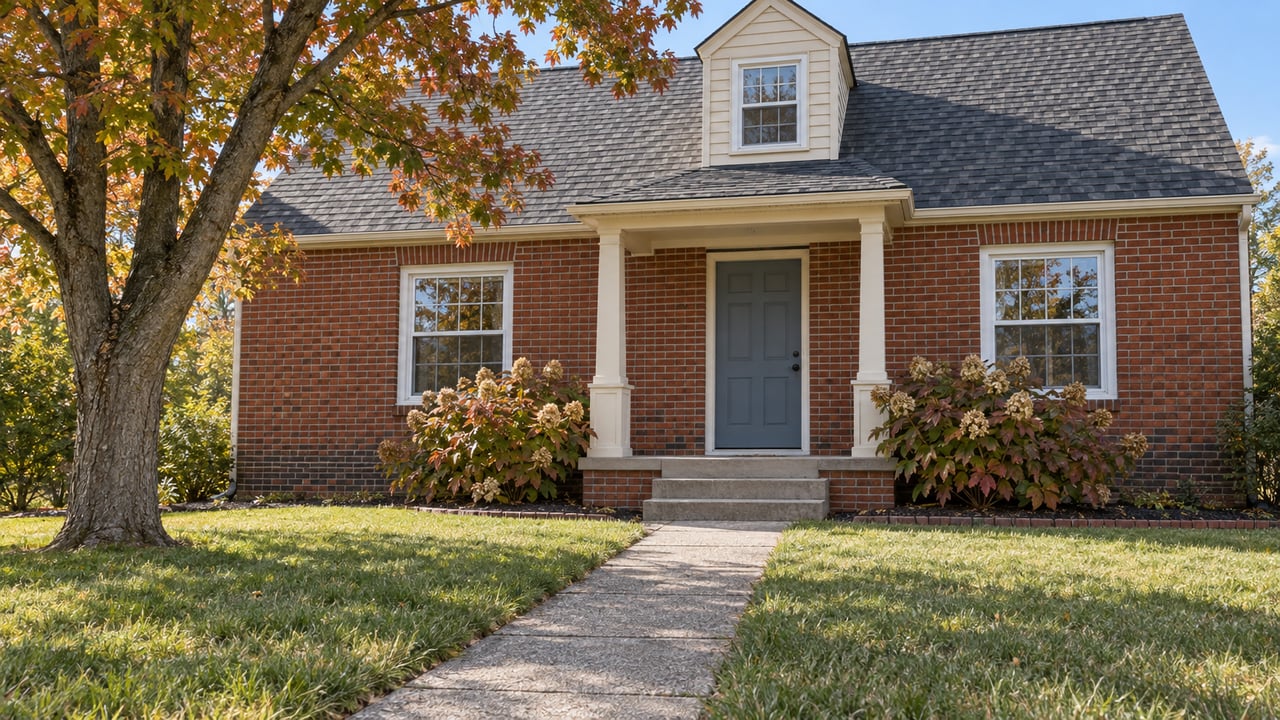
Strip out the noise and one half of McLean is exactly as tight as its reputation suggests. Zillow's June 2026 data shows the typical McLean home value at $1,433,786, up 4.4 percent over the past year, going to pending in around 23 days. Redfin's May 2026 window shows homes selling in an average of 19 days, down from 26 days the year before. Inventory for detached homes stays scarce enough that pricing holds firm even as financing costs elevated.
This is the McLean that shows up in every headline: fast offers, thin inventory, sellers holding the leverage. If you're comparing a McLean single-family home against another close-in suburb, this half of the market is the one setting expectations. It just isn't the whole story.
The Tysons Condo Market Nobody Is Describing the Same Way
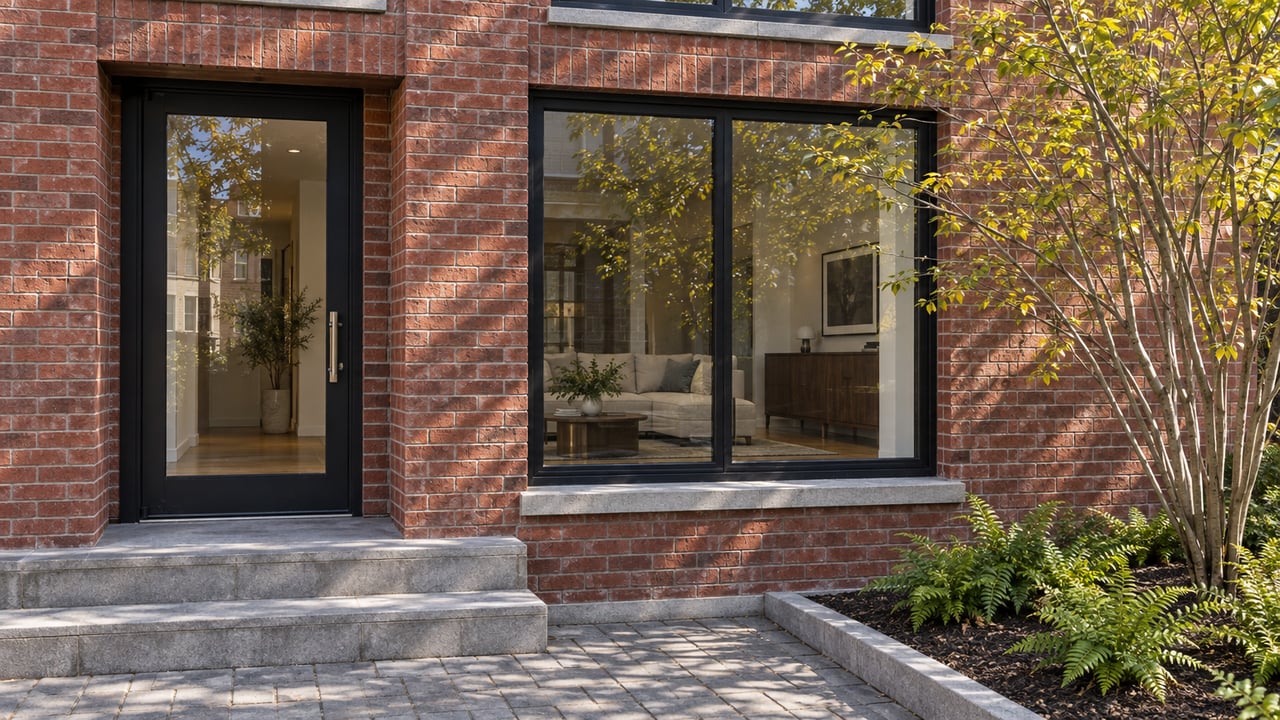
The other half of McLean, the Tysons-adjacent condo corridor, is behaving almost nothing like the single-family side. A regional wrap-up covering the second quarter of 2026 describes Tysons as the most condo-heavy and most bifurcated submarket in the corridor. The market has broadened away from its 2024 concentration in ultra-luxury, high-fee towers toward more mid-tier and legacy buildings, a shift TTR Sotheby's VP Byron Hughey described as "favorable to well-informed buyers." Days on market for condos have extended, which means condition, pricing accuracy, and HOA fee structure now matter more to a sale than they did two years ago.
That single sentence changes the math for anyone shopping the condo side of McLean. A longer average time on market isn't automatically bad news. It means sellers in older or legacy buildings, the ones without the newest amenity package or the highest monthly fee, are now competing on price and condition rather than riding a scarcity premium. A buyer willing to skip the newest tower and read an HOA budget line by line has more room to negotiate than the single-family numbers above would suggest.
What a Longer Days-on-Market Window Actually Buys You
For a condo shopper, extended time on market in this specific corridor tends to mean three things worth checking before you write an offer. First, the building's reserve fund and any pending special assessments carry more weight than they did when units were moving in days. Second, sellers in legacy buildings without a doorman or a newly renovated lobby have less pricing power than they assume, which opens room to negotiate closing cost credits or repair concessions. Third, a unit that's been sitting for 60 or 90 days in a market where the broader region moves in 15 to 29 days is telling you something specific about that building or that price, not about McLean generally.
The Ritz-Carlton Groundbreak Is a Preview, Not a Price Check
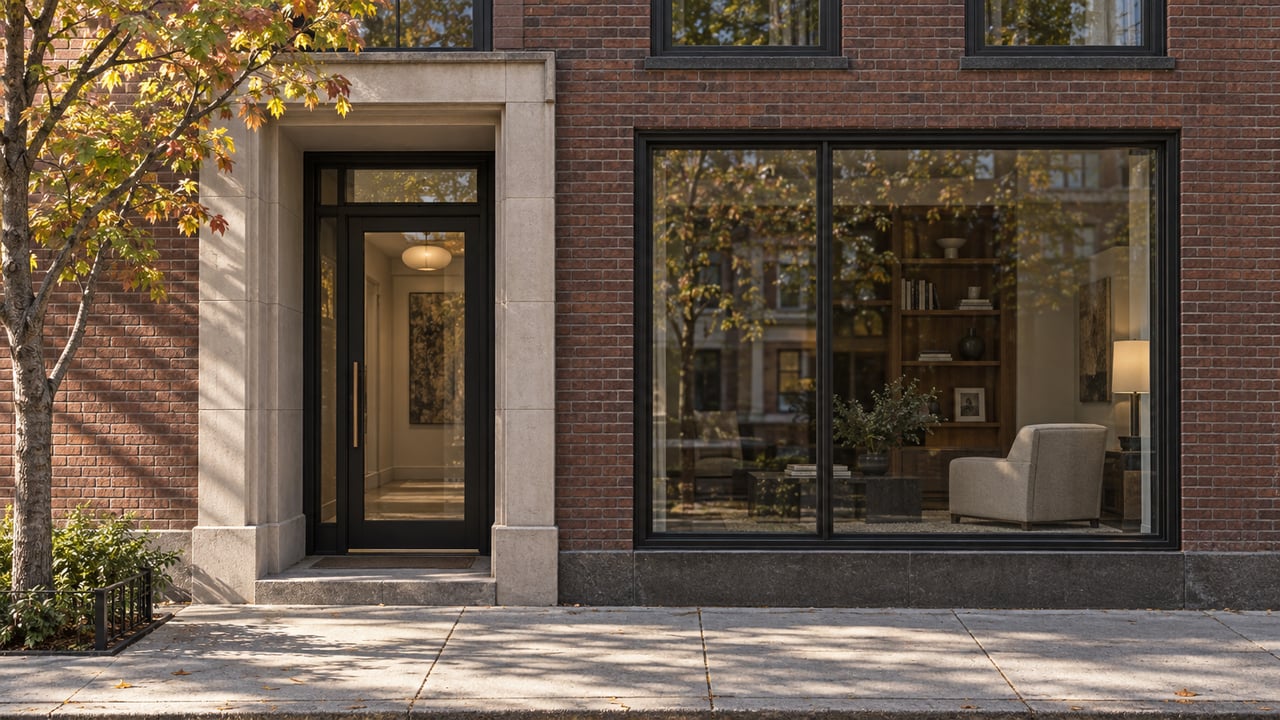
The Ritz-Carlton Residences hasn't sold a single unit yet. The project broke ground in 2026 as the brand's first standalone property in Virginia, a 102-unit building in McLean Tysons with delivery targeted for late 2028. Its pricing could offer a future point of comparison for luxury condos in the corridor.
That matters for anyone shopping a legacy Tysons building right now. Today's prices in older, mid-tier condo stock are being set before the Ritz-Carlton Residences starts pricing units. Buyers weighing a legacy unit against waiting for new luxury inventory are comparing currently available condos with a future project.
How McLean Reads Against the Rest of the Region
McLean's single-family scarcity isn't shared evenly across Northern Virginia, which is worth knowing if you're cross-shopping. Arlington's median sale price for the three months ending May 2026 came in at $835,000, up 4.4 percent year over year, a fraction of McLean's number but rising at a similar pace. Regionally, the Northern Virginia Association of Realtors and George Mason University's Center for Regional Analysis reported a May 2026 median sold price of $812,012 across the corridor, up 2.9 percent year over year, with homes selling in an average of 15 days against 29 days nationally, and only 1.93 months of supply compared to 4.5 months nationwide. The 30-year fixed rate sat near 6.43 percent as of July 2, 2026.
Set against that backdrop, McLean's single-family segment isn't an outlier so much as an intensified version of a regional pattern. The condo side, where legacy buildings are competing on price and a future luxury project could offer a point of comparison, is the part of McLean actually diverging from what's happening one zip code over.
What This Means Before You Trust a Median
The practical takeaway isn't which number is right. It's that the McLean median you find on any single site summarizes a market with scarce single-family inventory and a condo market that's actively rebalancing in a buyer's favor. Before you anchor a budget to a headline figure, ask which McLean that figure describes: the scarce single-family stock near Chain Bridge Road and Langley, or the Tysons condo corridor, where legacy buildings can be compared with a future luxury project that has not yet begun pricing units.
FAQ
Why do different sites report such different median prices for McLean? Each source measures something different. Redfin's closed-sales figures reflect what actually sold in a given window. Zillow's typical value is a modeled estimate built from assessment and Zestimate data. Realtor.com's medians often reflect active listing prices, not closed sales. In a market as small and expensive as McLean, where a single month can involve fewer than 30 closings, these methodology differences produce medians that can vary by hundreds of thousands of dollars for the same period.
Is a Tysons condo currently a better value than a McLean single-family home? It depends on what you're optimizing for. The single-family segment offers less negotiating room but more certainty about resale demand, given how quickly those homes have moved in 2026. The condo segment, particularly in legacy or mid-tier buildings, currently offers more time to evaluate a purchase and more leverage on price, but carries building-specific risk around HOA fees, reserves, and how a future luxury project could provide a point of comparison for the corridor.
Numbers like these only tell you as much as the segment they're drawn from. If you're trying to figure out which McLean market you're actually shopping in, and what a specific building's days-on-market history says about your negotiating position, Payam Bakhaje has spent more than two decades working transactions across DC, Maryland, and Northern Virginia, including the condo and single-family stock in and around McLean and Tysons. Let's Connect.